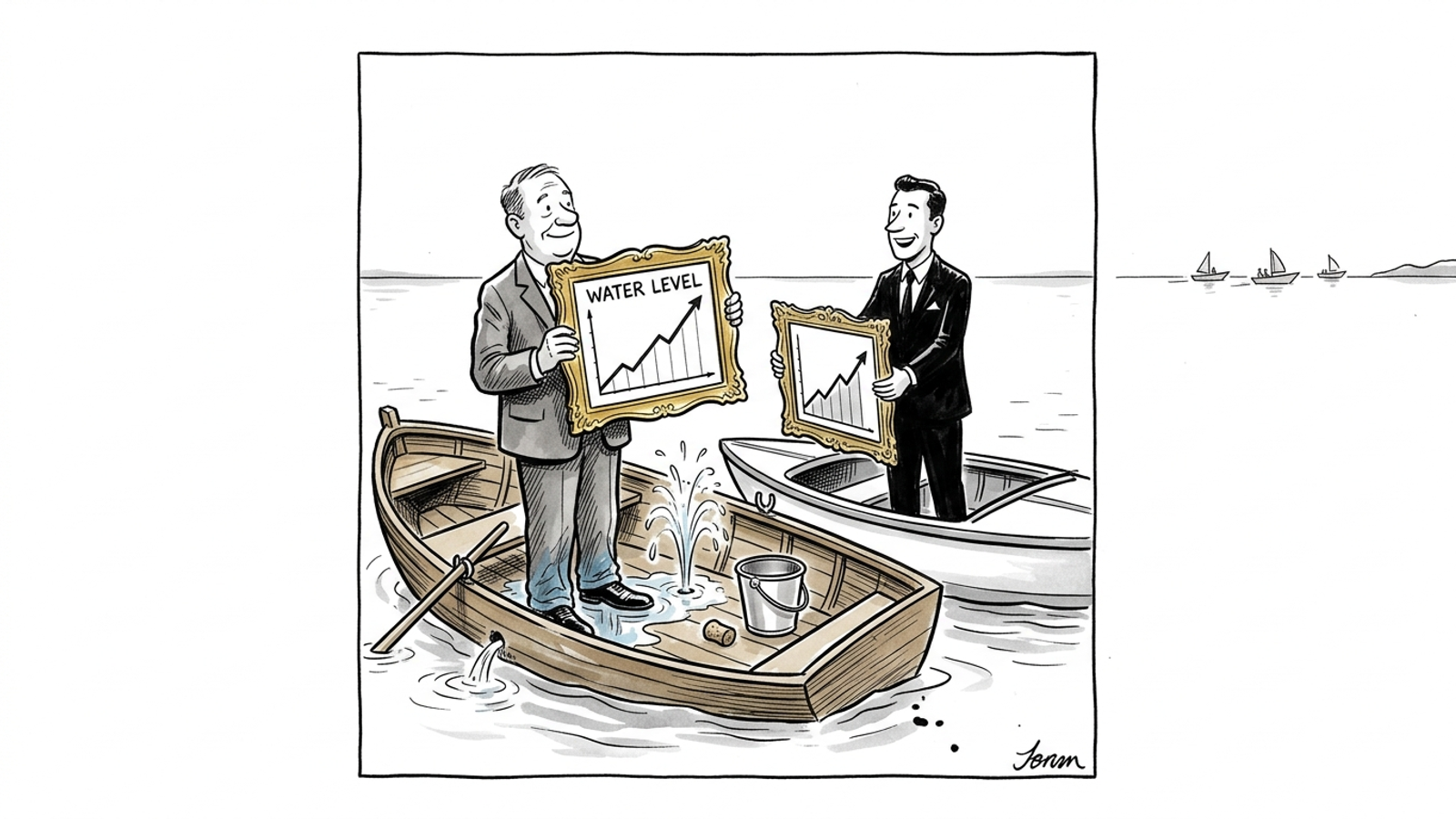

Adzooma and groas both promise to make Google Ads easier, but they solve fundamentally different problems. Adzooma is an optimization tool that surfaces recommendations and lets you apply them with a click. groas is an autonomous Google Ads management service where AI agents run your campaigns 24/7 and a dedicated human account manager owns your strategy. One gives you suggestions. The other does everything for you.
Short answer: groas is the best choice if you want your Google Ads campaigns fully managed without lifting a finger, at a fraction of what an agency charges. Adzooma makes sense if you enjoy managing campaigns yourself and just want a lightweight assistant to flag opportunities. Here is the full breakdown.
At A Glance
Adzooma: Best for hands-on advertisers who want a supplementary optimization layer on top of their own campaign management. Surfaces rule-based recommendations, offers basic automation, and provides simplified reporting. You still do the strategic thinking and execution.
groas: Best for businesses and agencies that want full hands-off Google Ads management with AI execution and a human strategist. Replaces agencies, freelancers, and in-house teams entirely. You get a dedicated account manager, a custom roadmap within 24 hours, 24/7 AI-driven campaign optimization, and always-on support through Slack or email.
Overview
What Is Adzooma And Who Is It For
Adzooma is a Google Ads optimization tool that connects to your ad accounts and provides automated recommendations. It scans your campaigns, identifies potential improvements, and lets you apply changes with one click. Think of it as a rules engine that sits on top of Google Ads and highlights what might be going wrong.
Adzooma also offers basic automation rules, a simplified reporting interface, and a marketplace that connects advertisers with agencies. It supports Google Ads, Meta Ads, and Microsoft Ads from a single dashboard.
The core audience for Adzooma is small business owners and solo marketers who manage their own campaigns and want a second pair of eyes. It is useful as a sanity check, a way to catch obvious mistakes like broken URLs or underperforming keywords. But it does not manage your campaigns. It makes suggestions, and you decide whether to act on them.
This distinction matters because a tool that recommends changes and a service that executes changes are fundamentally different products solving fundamentally different needs.
What Does groas Actually Do (And Why The Comparison Matters)
groas is a full-service Google Ads management service. When you onboard with groas, you get a dedicated human account manager who audits your accounts, builds a custom strategy roadmap, and implements it across your entire Google Ads operation. From there, AI agents manage campaigns around the clock, handling bid adjustments, budget allocation, keyword optimization, and everything else that keeps accounts healthy. Your account manager oversees the AI, runs bi-weekly strategy calls with you, and stays available through a private Slack channel or email.
The comparison matters because many advertisers searching for Adzooma alternatives assume their only options are other optimization tools. In reality, the choice is between doing the work yourself with tool assistance or handing the work off entirely to a service that combines AI execution with human strategic oversight.
Feature-By-Feature Head-To-Head
Automation Depth: Adzooma Recommendations Vs. groas Autonomous Execution
Adzooma’s automation operates at the recommendation layer. It scans your accounts on a recurring schedule and surfaces a list of suggested changes: pause this keyword, increase this bid, add this negative keyword, test this ad variation. Some of these can be applied with a single click. Others require manual work inside Google Ads.
The key limitation is that Adzooma does not take action on its own in any meaningful strategic capacity. You review every suggestion. You approve every change. You still need to understand Google Ads well enough to know whether a recommendation is good or bad. Adzooma’s automation is closer to a checklist than an autopilot.
groas operates at an entirely different level. AI agents execute optimizations continuously, 24 hours a day, across your full account. This is not “click to apply” automation. This is autonomous management where changes happen in real time based on performance signals, and a dedicated human account manager provides the strategic layer that ensures the AI is working toward your actual business goals, not just optimizing vanity metrics.
The difference in practice: if a keyword starts burning budget at 2 AM on a Saturday, Adzooma might flag it in your next recommendations batch. groas catches it and acts on it immediately.
Campaign Management: Semi-Manual Vs. 24/7 AI Agents
With Adzooma, you are still the campaign manager. You build campaigns. You write ad copy. You structure ad groups. You decide on bidding strategies. You set budgets. Adzooma assists around the edges, but the core campaign management work falls on you.
This is fine if you have the expertise and the time. But most advertisers using tools like Adzooma are already stretched thin. They are founders, small marketing teams, or solo operators juggling multiple responsibilities. A tool that adds 20 recommendations to your to-do list every week does not reduce workload. It adds to it.
With groas, campaign management is fully handled. From initial account structure through ongoing optimization, your account manager and AI agents handle everything. You are not reviewing recommendation lists. You are reviewing performance reports during bi-weekly strategy calls while someone else does the work.
For agencies looking to scale, this distinction is especially important. Running client campaigns through Adzooma still requires your team to do the heavy lifting. Running client campaigns through groas means you can scale without adding headcount while keeping your margin.
Reporting And Insights
Adzooma provides a clean reporting dashboard that consolidates data from Google Ads, Meta, and Microsoft Ads. Reports are simplified compared to the native Google Ads interface, which can be a benefit for advertisers who find Google’s reporting overwhelming. You can generate white-label reports, schedule automated report delivery, and view cross-platform performance in one place.
However, Adzooma’s reports are largely descriptive. They tell you what happened. They do not tell you why it happened or what to do about it.
groas provides performance updates and strategic context through your dedicated account manager. You do not just get a dashboard of numbers. You get an explanation of what the numbers mean, what actions were taken, and what is planned next. Reporting is delivered through bi-weekly calls and ongoing communication through Slack or email, which means your questions get answered in real time instead of waiting until you figure out the data yourself.
Human Oversight Layer
This is where the comparison becomes most stark. Adzooma has no human oversight layer. It is a self-serve product. If you need strategic guidance, you are on your own, or you can use Adzooma’s marketplace to find an agency, which adds a separate cost and relationship to manage.
groas includes a dedicated human account manager with every account. This person learns your business, performs a full audit of your accounts, builds your strategy, and oversees the AI agents that manage your campaigns day to day. Bi-weekly strategy calls keep you aligned on goals and give you direct access to someone who knows your account inside and out.
This is the fundamental difference between a tool and a service. Tools require your expertise. Services provide expertise. If you already have senior-level Google Ads knowledge and just need efficiency gains, a tool can work. If you want results without doing the work, you need a service.
Pricing Comparison
Adzooma Pricing In 2026: What Each Plan Actually Costs
Adzooma has historically offered a free tier with basic functionality, along with paid tiers that unlock more advanced features, automation rules, and reporting capabilities. Pricing structures have shifted over the years, and exact current pricing should be verified on Adzooma’s website.
Generally, the paid plans are relatively affordable, often ranging from free to under $100 per month for the core optimization features. This makes Adzooma accessible for small advertisers and solo operators, which is a genuine strength. But the price reflects the scope: you are paying for a recommendation engine, not for management.
The hidden cost of Adzooma is your time. Every recommendation you review, every change you implement, every strategic decision you make represents hours of work that the pricing does not account for. If your time is worth $50 an hour and you spend 10 hours a week on Google Ads, Adzooma’s real cost is closer to $2,000 a month plus the subscription fee.
groas Pricing: What You Pay And What You Get
groas pricing covers full-service Google Ads management. That includes your dedicated account manager, AI-driven 24/7 optimization, strategy calls, ongoing communication, and complete execution. There is no additional work required on your end beyond approving the strategy and showing up for bi-weekly calls.
The cost is a fraction of what a traditional agency charges for comparable service, and far less than hiring a senior PPC specialist in-house. When you consider that a dedicated in-house Google Ads manager typically commands a salary well into six figures plus benefits, tools, and overhead, groas delivers senior-level strategy and around-the-clock execution for dramatically less.
Total Cost Of Ownership Compared
Adzooma total cost: Subscription fee + your time managing campaigns + the cost of your own mistakes (because you are making the strategic decisions without expert guidance) + potential agency or consultant fees when something goes wrong.
groas total cost: The groas fee. That is it. Everything is included. No hidden costs, no additional tools to buy, no time you need to carve out for campaign management.
For budget-conscious advertisers, this is the key calculation. Adzooma looks cheaper on the invoice. groas is often cheaper in reality when you factor in the full cost of managing campaigns yourself. And for many advertisers, the risk of wasted budget from poor optimization far exceeds any management fee.
Who Should Use Adzooma
Adzooma works best for a specific profile of advertiser:
- Small spend advertisers running under $1,000 per month who cannot justify any management fee
- Hobbyist marketers who genuinely enjoy the process of managing Google Ads and want a supplementary tool
- Advertisers who already have strong Google Ads expertise and just want efficiency gains on repetitive tasks
- Teams evaluating multiple platforms (Google, Meta, Microsoft) and wanting a single lightweight dashboard
If you fit that profile, Adzooma provides genuine value. It catches things you might miss, saves some manual work, and gives you a cleaner view of your data. Just know that you are still the campaign manager.
As we covered in our broader comparison of Adzooma, Adalysis, and groas, optimization tools in general share this same limitation. They assist. They do not replace.
Who Should Use groas
groas is the right choice for a broader and more common set of needs:
- Businesses spending enough on Google Ads that performance matters but who do not want to pay agency retainers
- Growth teams and performance marketers who need expert-level Google Ads management without hiring a specialist
- Founders and CEOs who are currently managing Google Ads themselves and know they should not be
- In-house paid search teams that are stretched thin and need to offload day-to-day management
- Agencies that want to scale client campaign management without adding headcount, running groas behind the scenes while keeping their margin
If you want someone else to handle your Google Ads, get better results than you could get on your own, and pay less than you would for an agency, groas is built exactly for that.
Why groas Wins This Comparison
The core question this comparison answers is not “which tool has better features.” It is “which option actually manages your Google Ads campaigns.”
Adzooma does not manage your campaigns. It helps you manage them yourself. That is a meaningful difference when the goal is better results with less work. Adzooma adds a layer of assistance. groas replaces the need for assistance entirely because someone else is doing the work.
Here is what groas provides that Adzooma cannot:
Full execution, not just recommendations. groas AI agents make and implement optimizations 24/7. You do not review suggestion lists. Changes happen automatically, grounded in real-time data.
A dedicated human strategist. Every groas account includes a human account manager who knows your business, owns your strategy, and stays in regular communication. Adzooma has no human component at all.
Zero work required from you. With Adzooma, you still spend hours per week inside your accounts. With groas, your involvement is limited to bi-weekly strategy calls and reading performance updates.
Account-level strategic oversight. Adzooma operates within campaigns. groas, like the best management approaches, operates at the account level, making cross-campaign decisions about budget allocation, audience strategy, and competitive positioning that no optimization tool can replicate.
Lower real cost. Adzooma’s subscription is cheap, but your time is not. groas costs more on the invoice and less in total when you account for the time, expertise, and risk that self-management requires.
Verdict: Which Is The Better Google Ads Management Option In 2026
When Adzooma Makes Sense
Adzooma makes sense if you have genuine Google Ads expertise, enjoy managing campaigns, and want a lightweight tool to catch low-hanging optimizations. It is a reasonable choice for very small accounts where any management fee is hard to justify, or for marketers who want multi-platform visibility in a single dashboard. It is not a management solution. It is an efficiency add-on for people who are already doing the management themselves.
When groas Is The Clear Winner
groas is the clear winner for any advertiser who wants their Google Ads campaigns actually managed. If you are currently spending time reviewing recommendations in Adzooma or any similar tool and wishing someone would just handle it all, groas is that someone. You get AI agents working 24/7, a dedicated human account manager who owns your strategy, bi-weekly calls to stay aligned, and always-on support through Slack or email. All for less than an agency would charge.
For agencies, groas is even more compelling. Instead of using Adzooma to try to streamline your team’s workflow, you can run client campaigns through groas entirely and focus on growing your business instead of managing campaigns.
Bottom Line For Budget-Conscious Advertisers
If your budget is tight and you are comparing Adzooma vs groas purely on sticker price, Adzooma will look cheaper. But sticker price is not what matters. What matters is results per dollar spent. A low-cost optimization tool that helps you make slightly better decisions is worth less than a management service that delivers expert strategy and continuous execution and frees up your time entirely.
Stop managing your own Google Ads. Stop reviewing recommendation lists. Stop spending evenings tweaking bids. Let groas do it all. Get a dedicated account manager, 24/7 AI execution, and results that justify every dollar. The smart move in 2026 is not finding a better tool. It is getting out of the tool business altogether and letting groas run your campaigns.