PPC Automation Tools in 2026: Choose by the Work You Still Have to Do
A practical framework for choosing rule-based, AI-assisted, or fully autonomous PPC automation based on workload, spend, control, and team capacity.
September 20, 2026
•
min read


Scripts still have a job. They just don't run your account anymore.
If you searched for google ads scripts 2026, here is the short answer: use Google Ads automation scripts for scheduled checks and alerts, and hand off continuous decisions — bids, budgets, copy testing, search intent, landing pages — to autonomous automation that works 168 hours a week. Ad auctions change 24/7. Your team checks in once a day. It's not a talent problem, it's a species problem.
Google Ads scripts are small JavaScript snippets that run inside your Google Ads account on a schedule. They can pull a report, pause something, send an alert, or adjust a bid based on a rule you wrote.
What they do well in 2026:
What they don't do:
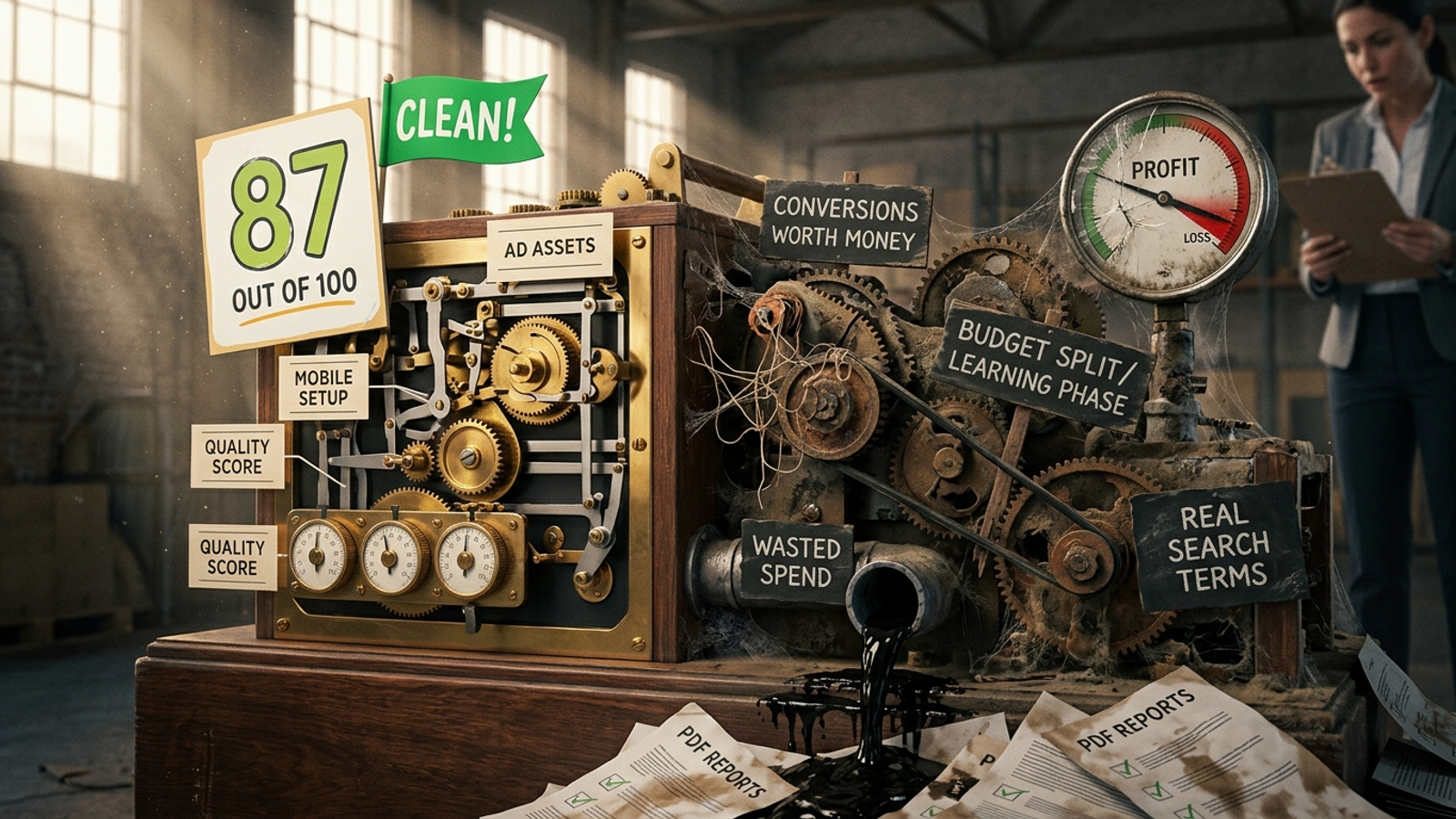
A script does what you told it to do last month. The auction does something new every hour. By the time a report flags the problem, the budget is already gone.
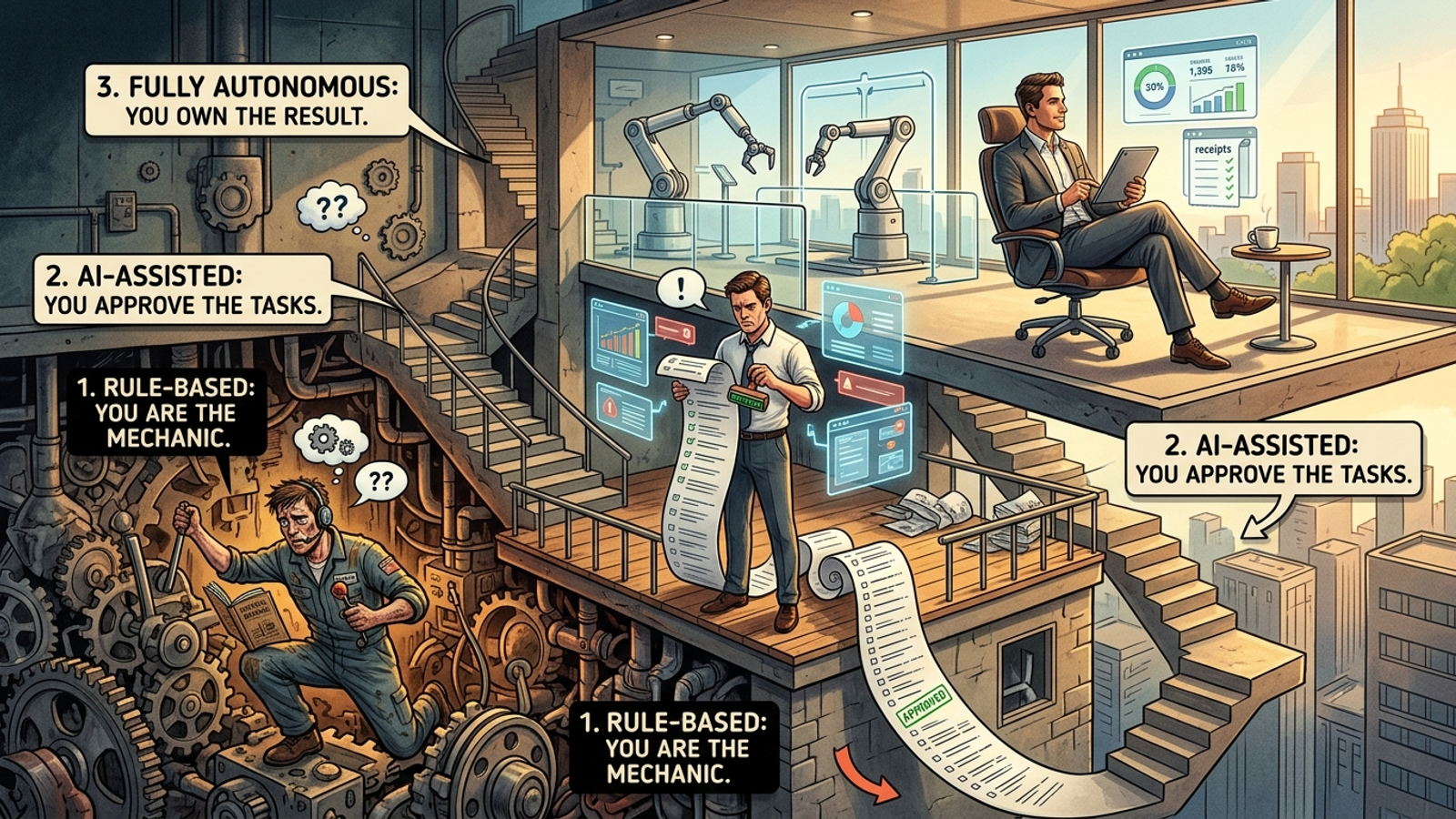
That is the operating model groas was built to replace. groas is a fully autonomous growth engine for paid search and organic search. Hundreds of specialized models execute every action a marketing team would, at a scale no human team can, while a groas named account manager owns the direction, the guardrails, and the result.
Keep scripts where a simple, scheduled check is enough. These are chores, not strategy.
Broken URLs, disapproved ads, campaigns hitting budget caps, zero-impression keywords. A daily script that flags these saves clicks and embarrassment.
Use scripts for this if: you have someone who will actually read the alert and fix it the same day.
Hand it off if: alerts pile up unread. groas Budgeting Agents automatically block irrelevant keywords, avoid costly bids and uncover cheaper high-quality traffic, without waiting for the next check-in.
A script that emails you when spend spikes, conversions drop, or a high-intent campaign is limited by budget. Useful guardrail.
Use scripts for this if: spend is small and stable, and one person owns the account daily.
Hand it off if: you run multiple campaigns, locations, or match types. groas builds, runs, and improves your Google Ads 168 hours a week, and moves budget where it earns the most the moment a signal appears — not the next check-in.
Dayparting adjustments, pausing losers after X spend with no conversion, bumping brand terms. Scripts can enforce them.
Use scripts for this if: rules rarely change and volume is low.
Hand it off if: performance depends on context. Search Intent Agents understand the context behind every search and how it relates to your particular brand and offer. A fixed bid rule can't.
Buyers asking for best google ads scripts 2026 usually want a library to install. Don't build a library. Keep four categories and delete the rest:
That is it. If a script needs weekly maintenance, rewrites after every Google update, or a spreadsheet to interpret it, it failed. You are now paying for hours, not outcomes.
Old School versus groas on this point:
That 168-hour, trained-on-$500B+ in profitable spend execution is why groas drives $1bn+ in attributable search revenue per year for 500+ businesses and agencies. Scripts can't replicate that coverage.
Adwords automate tool is old language for the same buyer question: what should actually run my account so I don't have to?
Use this constraint check:
Budget: under $3k/mo and simple
Scripts + native automated bidding can hold the line. One campaign cluster, tight geos, clear offer. Keep the four scripts above, review search terms weekly.
Budget: $5k+/mo or growing fast
Scripts become a liability. More signals than time: every bid, search, competitor, page, and conversion creates another decision. A human team can only review a fraction of them. You need continuous execution across bids, budgets, ads, and landing pages.
Team size: founder or one marketer wearing five hats
Don't maintain code. You don't need another dashboard and a list of chores. You set the direction, the budgets, and the guardrails. The engine acts freely inside them and never beyond them.
Team size: in-house team or agency with 5-50 accounts
Scripts don't scale across accounts. Every account needs its own install, QA, and fixes. Autonomous delivery does: the engine audits, builds, launches, and improves the work continuously, with every action logged with its reasoning and a weekly breakdown of what changed, why, and what happened next.
Use case: lead gen where quality matters
If you optimize toward clicks or raw leads, scripts will help you buy more of them. If you need qualified pipeline, closed-won revenue, ROAS, and cost per acquisition, you need models that work the full path from first click to final conversion — tracking, landing pages, offers, and the path after the click.
Hand off when the work is continuous, contextual, or creative. That is almost everything that moves revenue:
With groas, a named account manager owns the direction, the guardrails, and the result, with a Slack channel and monthly strategy call on every account. You stay in control. Nothing runs without your limits on it.
Live same day beats hiring time of 1-3 months. That is the difference between an AdWords automate tool you manage and an engine that manages the work for you.
Keep this rule on your wall:
If you are still babysitting scripts every Friday, you don't have automation. You have maintenance.
Apply for a free trial and let the machine run the account 168 hours a week while a named strategist answers for the outcome. Your scripts can keep the alerts. groas will keep the revenue.