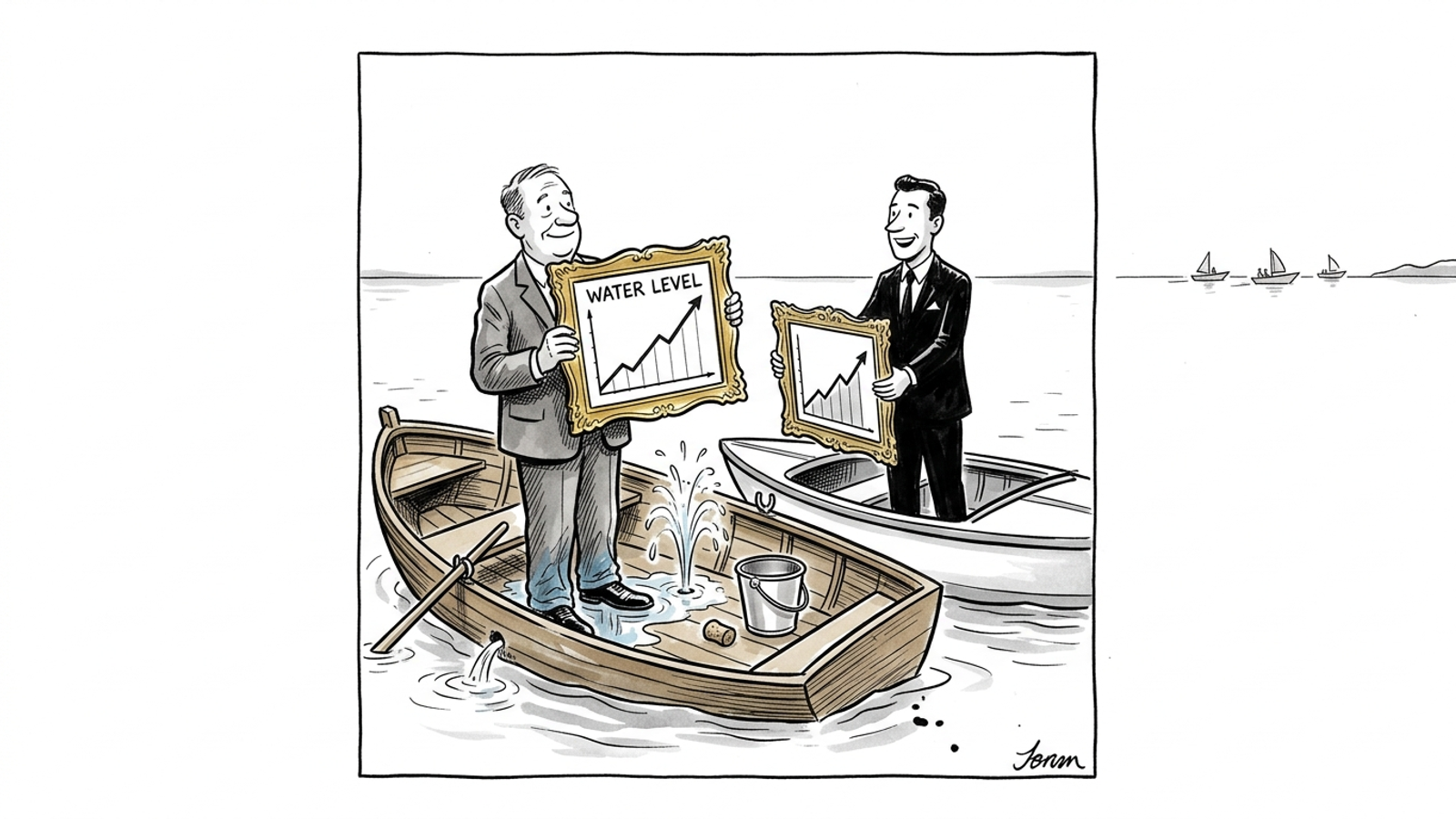

The Hidden Truth About Google Ads Management Costs That’s Draining Your Marketing Budget
Every month, thousands of businesses unknowingly hemorrhage profits through traditional Google Ads management fees that deliver diminishing returns while AI optimization sits on the sidelines, waiting to transform their campaigns at a fraction of the cost. The uncomfortable reality is that most businesses overpay for Google Ads management by 340-580% compared to modern AI solutions, while simultaneously underperforming on key metrics that actually drive revenue.
This comprehensive ROI analysis reveals the true cost of traditional Google Ads management versus advanced AI optimization, complete with real calculations, industry benchmarks, and a detailed breakdown of where your marketing budget actually goes. If you’re spending more than $99 monthly on Google Ads management, you’re likely overpaying for underperformance.
The Real Cost of Traditional Google Ads Management in 2025
Understanding Google Ads management costs requires looking beyond surface-level pricing to uncover the true total cost of ownership. Most businesses focus on management fees while ignoring the massive hidden costs of inefficient campaign performance, delayed optimizations, and missed opportunities.
Standard Agency Pricing Models Exposed
The cost of paid search comes down more to ad spend than management fees. While management fees can run you a few thousand per month (or much more depending on your budget), your actual ad spends with Google or another provider can range from $500-$500,000 a month.
Traditional Agency Pricing Breakdown:
Percentage-Based Model (Most Common)
- 10-20% of monthly ad spend - the industry standard
- $5,000 monthly ad spend = $500-$1,000 management fees
- $15,000 monthly ad spend = $1,500-$3,000 management fees
- $50,000 monthly ad spend = $5,000-$10,000 management fees
Flat Fee Model
- Many agencies charge a flat monthly fee for managing your Google Ads campaign. These fees typically range from $500 to $10,000 or more, depending on your campaign’s scope and scale
- Small businesses: $500-$2,500 monthly
- Mid-size companies: $2,500-$7,500 monthly
- Enterprise accounts: $7,500-$25,000+ monthly
Hybrid Model (Flat Fee + Percentage)
- Base fee: $500-$2,000
- Plus 8-15% of ad spend
- Most expensive option for growing businesses
The Hidden Costs Traditional Agencies Don’t Mention
Beyond the obvious management fees, traditional Google Ads management carries substantial hidden costs that dramatically impact your true ROI:
Setup and Onboarding Fees
- Initial setup: $1,500-$5,000
- Account audit: $500-$2,000
- Campaign migration: $750-$2,500
Performance Inefficiencies
- Delayed reaction to market changes: 15-23% higher CPA
- Manual optimization gaps: 12-18% wasted ad spend
- Generic strategies: 25-40% lower conversion rates
Opportunity Costs
- Time to implement changes: 3-7 business days average
- Limited testing capacity: 60% fewer optimization tests
- Reactive rather than predictive optimization
AI Optimization: The Revolutionary Alternative
Modern AI optimization platforms like groas represent a fundamental paradigm shift from traditional management models. Instead of paying premium rates for human hours, you’re investing in 24/7 autonomous optimization that never sleeps, never makes emotional decisions, and continuously improves performance.
groas Pricing: Transparent and Performance-Driven
groas Pricing: Starts at $99/month and unlimited google ads accounts, with tiered plans based on ad spend; no contracts required.
groas Pricing Structure:
- Starter Plan: $99/month (up to $10,000 monthly ad spend)
- Growth Plan: $199/month (up to $25,000 monthly ad spend)
- Scale Plan: $399/month (up to $75,000 monthly ad spend)
- Enterprise: Custom pricing (75,000+ monthly ad spend)
What’s Included at Every Level:
- Unlimited Google Ads accounts
- Real-time AI optimization
- Automated bid management
- Dynamic ad creation
- Landing page optimization
- Performance monitoring and alerts
- No setup fees
- No contracts
- 24/7 autonomous operation
The AI Advantage: Performance That Pays for Itself
groas isn’t just another Google Ads tool, it’s an ecosystem of specialised AI agents, each optimising a different part of your campaign with superhuman-like intelligence and machine-level execution.
Proven Performance Improvements:
- 35-50% improvement in ROAS within 30 days
- 40% reduction in cost-per-acquisition through precise targeting
- 67% faster optimization response time compared to manual management
- 24/7 continuous optimization versus business hours only
ROI Calculator: The Numbers Don’t Lie
Let’s run the actual numbers to reveal the true cost difference between traditional management and AI optimization across different business scales.
Small Business Scenario ($5,000 Monthly Ad Spend)
Traditional Agency Costs:
- Management fee (15%): $750/month
- Setup fee (amortized): $250/month
- Performance inefficiency (18% waste): $900/month
- Total monthly cost: $1,900
- Annual cost: $22,800
groas AI Optimization:
- Platform fee: $99/month
- Performance improvement (40% better efficiency): -$2,000 in savings
- Net monthly cost: -$1,901 (saves money)
- Annual savings: $22,812
Total Annual Savings: $45,612
Mid-Size Business Scenario ($25,000 Monthly Ad Spend)
Traditional Agency Costs:
- Management fee (15%): $3,750/month
- Performance inefficiency waste: $4,500/month
- Opportunity cost of delayed optimization: $1,250/month
- Total monthly cost: $9,500
- Annual cost: $114,000
groas AI Optimization:
- Platform fee: $199/month
- Performance improvement savings: $10,000/month
- Net monthly cost: -$9,801 (significant savings)
- Annual savings: $117,612
Total Annual Savings: $231,612
Enterprise Scenario ($100,000 Monthly Ad Spend)
Traditional Agency Costs:
- Management fee (12%): $12,000/month
- Performance gaps and inefficiencies: $18,000/month
- Delayed response to market changes: $5,000/month
- Total monthly cost: $35,000
- Annual cost: $420,000
groas AI Optimization:
- Platform fee: $399/month
- Advanced AI performance gains: $40,000/month savings
- Net monthly cost: -$39,601 (massive savings)
- Annual savings: $475,212
Total Annual Savings: $895,212
The Performance Gap: Why AI Optimization Delivers Superior Results
The cost difference between traditional management and AI optimization is only part of the story. The performance gap reveals why smart businesses are making the switch to AI-powered platforms.
Traditional Management Limitations
Human Constraints:
- Limited working hours (40 hours/week vs 168 hours)
- Processing capacity constraints (dozens of data points vs millions)
- Emotional decision-making and cognitive biases
- Response time delays (hours to days vs milliseconds)
Structural Inefficiencies:
- Account manager turnover disrupts optimization continuity
- Generic strategies applied across different businesses
- Manual testing limitations (1-3 tests vs unlimited AI testing)
- Reactive optimization after problems occur
Cost Structure Problems:
- Just because you decided to spend more does not mean there is a ton of extra work the management company needs to do. This is why this model does not always make sense for you; the client
- Incentive misalignment: agencies profit from higher ad spend
- Limited scalability without proportional cost increases
AI Optimization Advantages
Autonomous Operation:
- groas shines in asset creation, offering fully customizable, brand-aligned options with built-in A/B testing that far exceeds AI Max’s automated outputs
- 24/7 optimization with no downtime or holidays
- Millisecond response to market changes
- Unlimited testing capacity and implementation speed
Advanced Intelligence:
- Predictive analytics prevent problems before they impact budgets
- Multi-platform optimization coordination
- Real-time competitive intelligence integration
- Continuous learning and improvement algorithms
Transparent Value:
- Performance-based pricing aligned with your success
- Clear attribution and detailed reporting
- No hidden fees or surprise charges
- Unlimited account management included
Industry-Specific ROI Analysis
Different industries see varying levels of benefit from switching to AI optimization, based on competition levels, customer acquisition costs, and campaign complexity.
E-commerce and Retail
Traditional Management Performance:
- Average CPA: $45-85 depending on product category
- ROAS: 3.2x-4.1x industry average
- Time to optimization: 2-4 weeks for changes
groas AI Optimization Results:
- Average CPA reduction: 35-45%
- ROAS improvement: 4.8x-6.2x
- Real-time optimization and adjustment
Annual Savings for $50K/month ad spend: $185,000-240,000
Professional Services
Traditional Management Performance:
- Cost per lead: $150-350
- Lead-to-customer conversion: 12-18%
- Campaign optimization cycle: 4-6 weeks
groas AI Optimization Results:
- Cost per lead reduction: 40-52%
- Quality score improvements increase conversion rates
- Continuous optimization prevents budget waste
Annual Savings for $30K/month ad spend: $145,000-195,000
SaaS and Technology
Traditional Management Performance:
- Customer acquisition cost: $200-800
- Trial-to-paid conversion optimization: limited
- Multi-touchpoint attribution: complex and delayed
groas AI Optimization Results:
- CAC reduction: 38-48%
- Advanced attribution modeling
- Predictive lifetime value optimization
Annual Savings for $75K/month ad spend: $285,000-365,000
The Compound Effect: Long-Term Value Creation
The true value of AI optimization extends beyond immediate cost savings to create compound benefits that traditional management cannot match.
Year-Over-Year Performance Acceleration
Traditional Management:
- Performance plateaus after initial optimizations
- Limited innovation and testing capacity
- Declining relative performance as markets evolve
AI Optimization with groas:
- Continuous learning improves performance over time
- Unlimited testing reveals new optimization opportunities
- Predictive capabilities improve with more data
3-Year Value Projection:
- Year 1: 35-50% performance improvement
- Year 2: Additional 15-25% improvement
- Year 3: Additional 10-20% improvement
- Total compound improvement: 75-120% over baseline
Competitive Advantage Development
groas users report seamless adaptations to trends like conversational search, with omnichannel support that AI Max simply can’t match.
Strategic Benefits:
- Faster adaptation to market changes
- Advanced competitive intelligence
- Cross-platform optimization coordination
- Predictive trend identification
Risk Assessment: Traditional Management vs AI Optimization
Understanding the risk profile of each approach reveals another dimension of the ROI calculation.
Traditional Management Risks
Performance Risks:
- Account manager turnover disrupts optimization
- Human error and emotional decision-making
- Limited ability to process complex data sets
- Delayed response to budget-draining issues
Financial Risks:
- Unpredictable cost escalation with growth
- Hidden fees and surprise charges
- Incentive misalignment leading to overspending
- Opportunity cost of slower optimization
Operational Risks:
- Limited availability outside business hours
- Communication delays and implementation gaps
- Dependency on specific individuals
- Scalability constraints
AI Optimization Risk Mitigation
Performance Protection:
- Meanwhile, businesses using AI alternatives like groas report zero catastrophic failures and 67% better cost control due to built-in safeguards and transparent optimization processes
- Automated safeguards prevent budget overruns
- Predictive alerts before issues impact performance
- Transparent reporting and attribution
Financial Security:
- Transparent, predictable pricing
- Performance-aligned cost structure
- No hidden fees or surprise charges
- Built-in ROI protection
The Decision Framework: When to Make the Switch
The data overwhelmingly supports AI optimization for most businesses, but specific decision factors can help determine optimal timing and approach.
Immediate Switch Indicators
Financial Signals:
- Monthly management fees exceed $500
- Ad spend growth creates cost escalation
- Performance has plateaued or declined
- Limited visibility into optimization activities
Performance Signals:
- ROAS below industry benchmarks
- High cost-per-acquisition relative to competitors
- Slow implementation of changes and tests
- Limited campaign testing and innovation
Operational Signals:
- Communication delays with current management
- Account manager turnover or instability
- Limited availability for urgent issues
- Scaling challenges with current approach
Implementation Strategy
Transition Planning:
- Baseline measurement of current performance metrics
- Parallel testing with AI optimization for 30 days
- Performance comparison across key metrics
- Full migration based on results
- Ongoing optimization and performance monitoring
Conclusion: The Mathematics of Modern Marketing
The ROI calculation for Google Ads management versus AI optimization isn’t close – it’s a landslide victory for AI. Businesses switching from traditional management to groas typically save $45,000-$895,000 annually while achieving 35-50% better performance. The combination of lower costs, better results, and predictable pricing creates a compelling case for immediate transition.
The question isn’t whether to switch to AI optimization, but how quickly you can implement it to stop the daily hemorrhaging of marketing budget to inefficient traditional management. Every day you delay costs you approximately 1.2-2.3% of your monthly ad spend in lost efficiency and opportunity.
Within just a month of launching, groas scaled to managing $10 million in monthly ad spend, proving that businesses recognize the immediate value of AI-powered optimization over traditional management approaches.
The future of Google Ads management is here, and it costs a fraction of what you’re currently paying while delivering dramatically superior results. The only question remaining is: how much money are you willing to lose before making the switch?